About linear pneumatic heat detection tube suppliers
Linear Pneumatic Heat Detection Tube system is a good option for small electrical, server, DNS, UPS, battery, or network rooms where you want automatic fire detection and direct suppression without complex electronic detectors.
What It Is
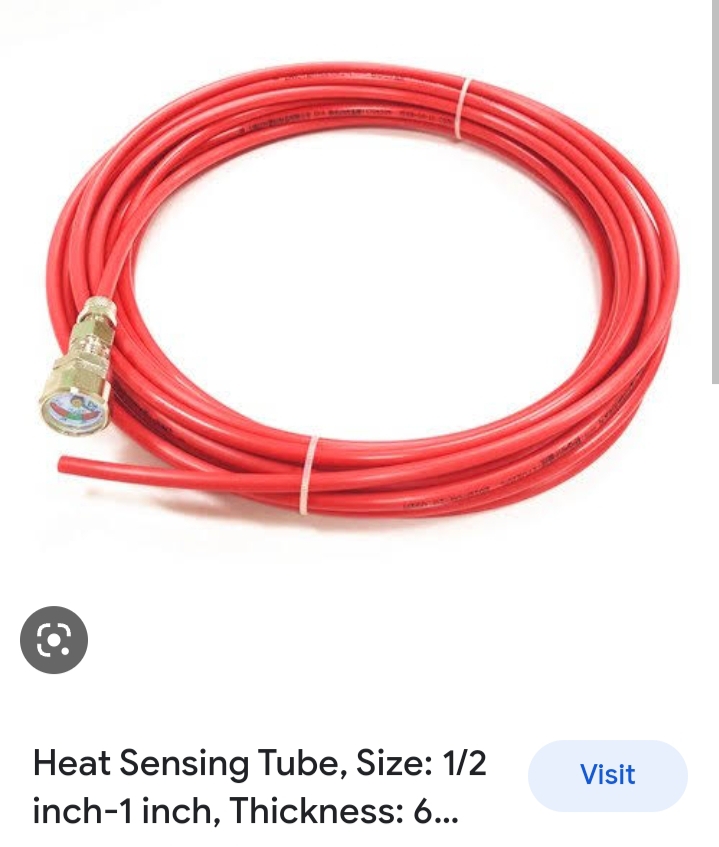
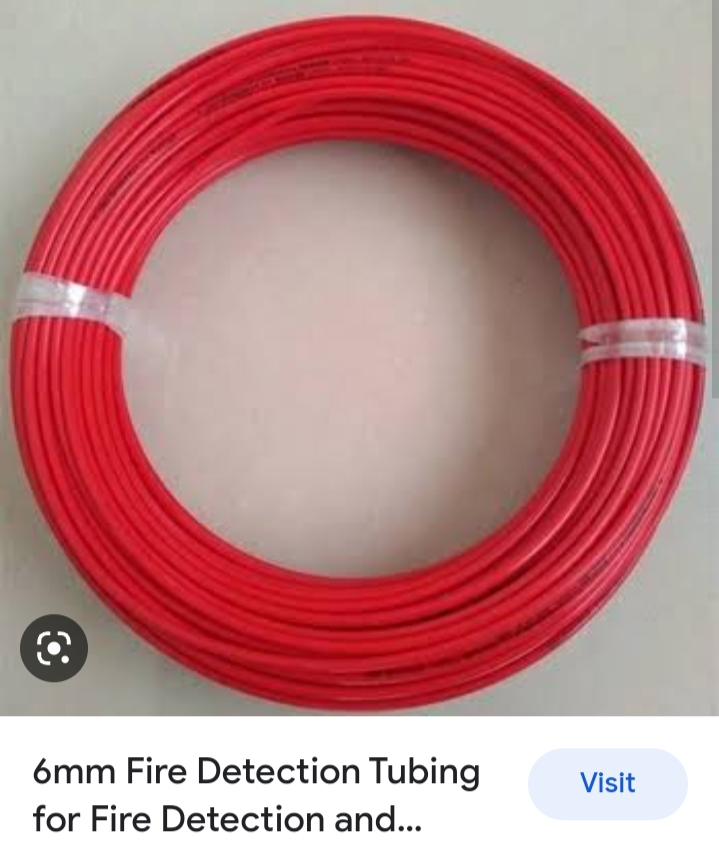
A heat-sensitive pneumatic tube is installed around protected equipment.
When temperature reaches a preset level (typically 68C110C depending on tube type), the tube bursts at the hottest point and triggers fire suppression.
Commonly used with:
- FM-200
- Novec 1230
- CO2 Fire Suppression System
- Dry chemical systems
How It Works
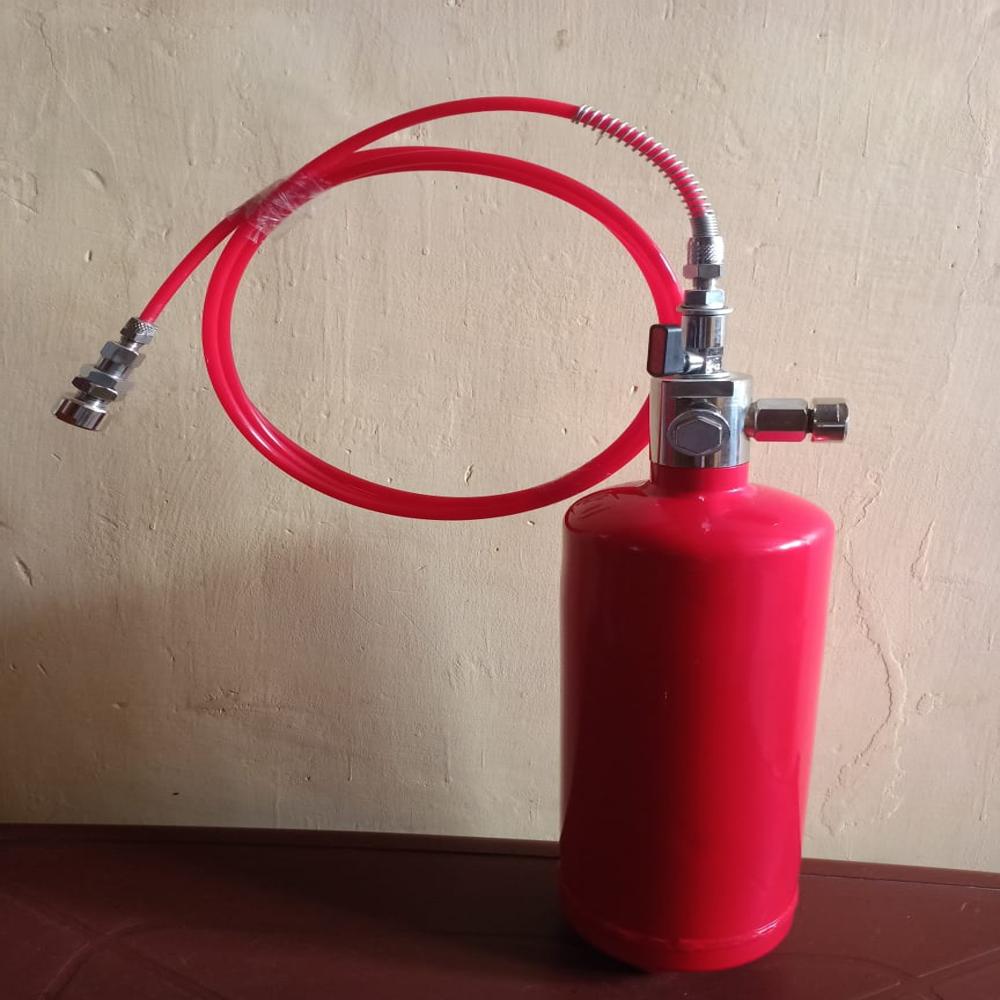
Direct Release System
- Detection tube installed above/inside racks or panels
- Fire heats tube
- Tube ruptures at hottest point
- Suppression agent discharges directly at fire source
Best for:
- Electrical cabinets
- Server racks
- Battery cabinets
- Small DNS/network rooms
Indirect Release System
- Tube senses heat
- Pressure drop activates valve
- Entire room suppression system discharges
Best for:
- Full room protection
- Data/server rooms
- Telecom rooms
Advantages
- No electricity needed for detection
- Very fast localized detection
- Low maintenance
- Cost-effective for small rooms
- Works during power failure
- Easy retrofit in existing server rooms
Typical Installation in DNS / Server Room
Detection tube routing:
- Above server racks
- Around UPS panels
- Cable trays
- PDU panels
- Network switches
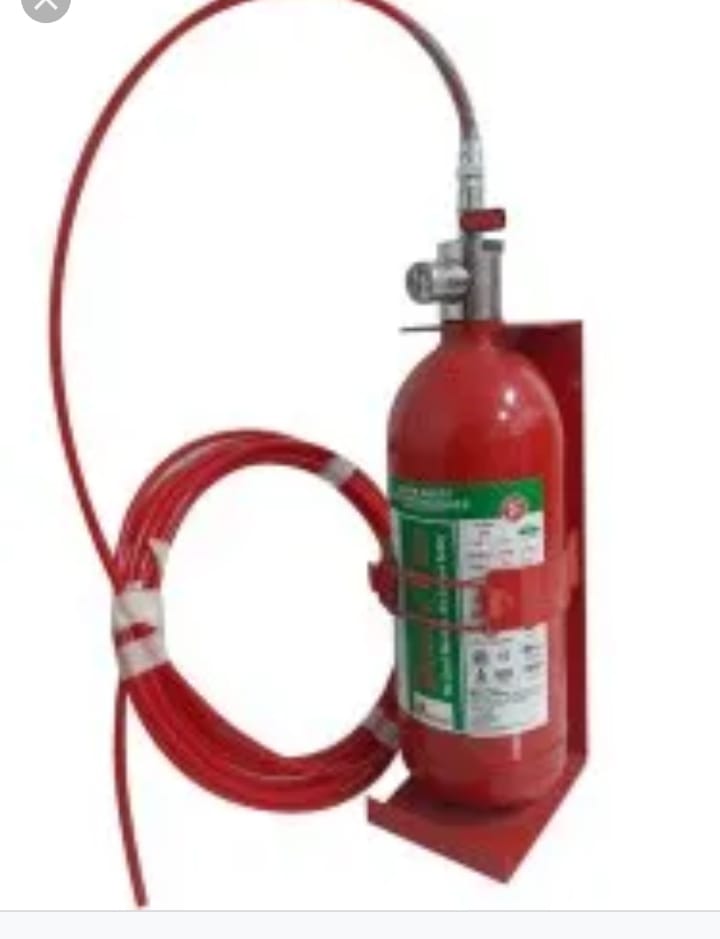
Suppression cylinders:
- Wall-mounted outside room preferred
- Connected to nozzles or direct tube release
Important Design Considerations
1. Choose Correct Agent
For occupied IT rooms:
- Preferred:
- Avoid total flooding CO in occupied rooms
2. Room Sealing
For total flooding systems:
- Door seals required
- False ceiling/floor leakage checked
- Hold time usually 10 minutes
3. Standards
Common standards:
- NFPA NFPA 72
- NFPA NFPA 2001
- ISO standards
- Local fire authority requirements
Best Use Cases
Excellent for:
- Small DNS rooms
- Telecom shelters
- UPS rooms
- Electrical panels
- ATM machines
- CNC/electrical cabinets
Less suitable for:
- Very large data centers
- Open industrial halls
- Areas with high airflow unless engineered properly
Typical Small DNS Room Solution
Example:
- 1030 m room
- Detection tube around racks
- 25 kg clean agent cylinder
- Manual release + abort switch
- Alarm integration
If you provide:
- Room dimensions
- Number of racks
- Ceiling height
- UPS/battery presence
I can help you with:
- Basic suppression sizing
- Tube routing layout
- Cylinder capacity estimate
- Single-line schematic
- BOQ/material list
- Typical installation drawing
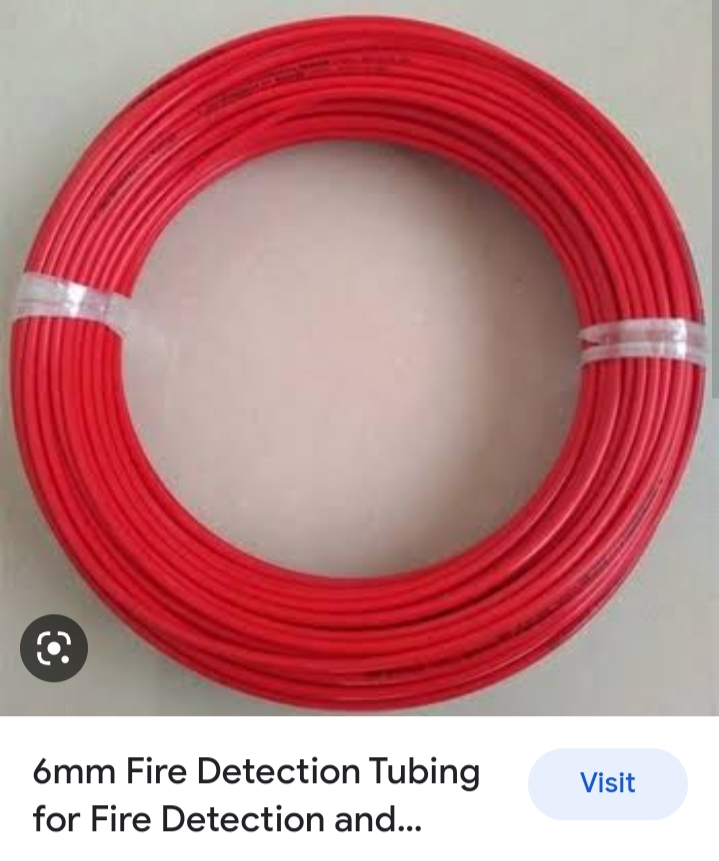
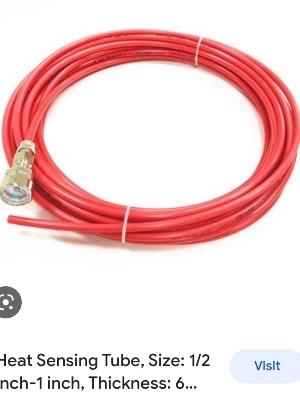
Efficient Fire Detection & ResponseOur pneumatic heat detection tubes deliver rapid identification and immediate activation upon sensing heat at specified burst temperatures (68C, 93C, 110C, or custom). This quick response ensures fire threats are addressed before escalation, offering enhanced protection for sensitive environments such as server rooms, manufacturing plants, and warehouses.
Versatile & Robust ConstructionManufactured from specialty engineered polymers, the tubes provide outstanding flexibility and resilience against UV, oil, and chemical exposure. The minimum bend radius of 50 mm enables easy routing around obstacles, while the red color offers clear visibility. The system's durability supports a service life of up to 10 years under normal conditions.
Seamless Integration and ComplianceDesigned for simplicity, these tubes are compatible with a variety of clean agent, CO2, or ABC powder suppression systems. Installation is straightforward, whether mounted on surfaces or integrated into existing infrastructures. The solution is fully compliant with EN54 and, upon request, IS:15683 standards, meeting strict international safety requirements.
FAQ's of linear pneumatic heat detection tube suppliers:
Q: How does a linear pneumatic heat detection tube function in a fire suppression system?
A: The linear pneumatic heat detection tube is filled with compressed air and directly connected to the suppression system. When the temperature along the tube reaches the specified burst threshold (e.g., 68C, 93C, or 110C), the tube ruptures, causing a rapid pressure loss that triggers the fire suppression system to discharge extinguishing agents immediately and automatically.
Q: What environments are suitable for installing these heat detection tubes?
A: These tubes are ideal for industrial, commercial, and server room environments where fast, reliable fire detection is essential. Their resistance to UV rays, oils, and chemicals makes them suitable for harsh industrial settings, while their flexibility and maintenance-free design also support clean, controlled spaces like data centers.
Q: When should I consider using a linear pneumatic heat detection tube?
A: You should use these tubes when you require rapid, real-time fire detection and automatic suppression in environments with valuable assets, limited human intervention, or challenging installation pathways. They are particularly beneficial in areas where traditional electronic sensors may be impractical or where environmental resistance is critical.
Q: What is the typical installation process for these tubes?
A: Installation involves mounting the flexible tube along at-risk areas using tie or bracket mounts, ensuring adherence to the minimum 50 mm bend radius. The tube is then directly connected to the chosen clean agent, CO2, or ABC powder fire suppression system. Installation can be performed on the surface or integrated during retrofitting projects.
Q: Where can these detection tubes be retrofitted into existing systems?
A: The tubes can be easily retrofitted into existing fire detection and suppression infrastructures that are compatible with pneumatic actuation. Their flexible construction allows them to be installed onto a variety of surfaces and layouts without requiring significant structural modifications.
Q: What benefits do these heat detection tubes offer compared to traditional systems?
A: Benefits include instantaneous fire detection and suppression response, high resistance to environmental hazards, maintenance-free operation, flexibility in installation, and long service life. They also support compliance with international safety regulations and can be customized to meet specific system design requirements.
Q: How can I ensure optimal coverage and effectiveness of the detection tube system?
A: Optimal performance is achieved by following coverage guidelines-typically up to 50 meters per tube-and by ensuring the tubes are correctly routed around potential fire hazard zones. Regular visual inspection for mechanical damage (no recalibration or servicing required) and proper system integration further ensure reliable operation.




 Send Inquiry
 Send Inquiry

