About Fire Detection Tube
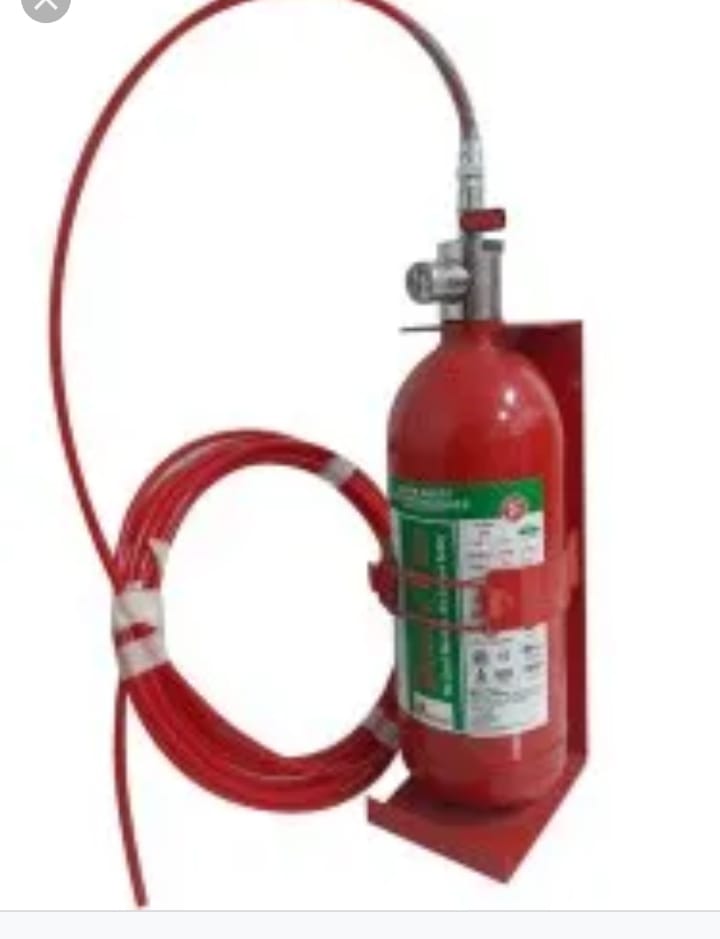
Linear Pneumatic Heat Detection Tube system is a good option for small electrical, server, DNS, UPS, battery, or network rooms where you want automatic fire detection and direct suppression without complex electronic detectors.
What It Is
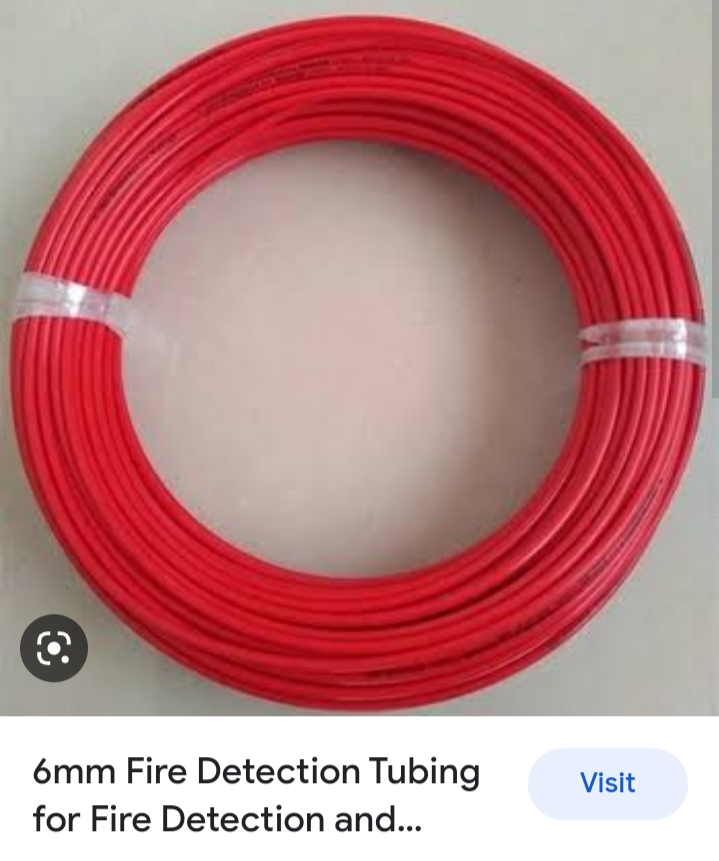
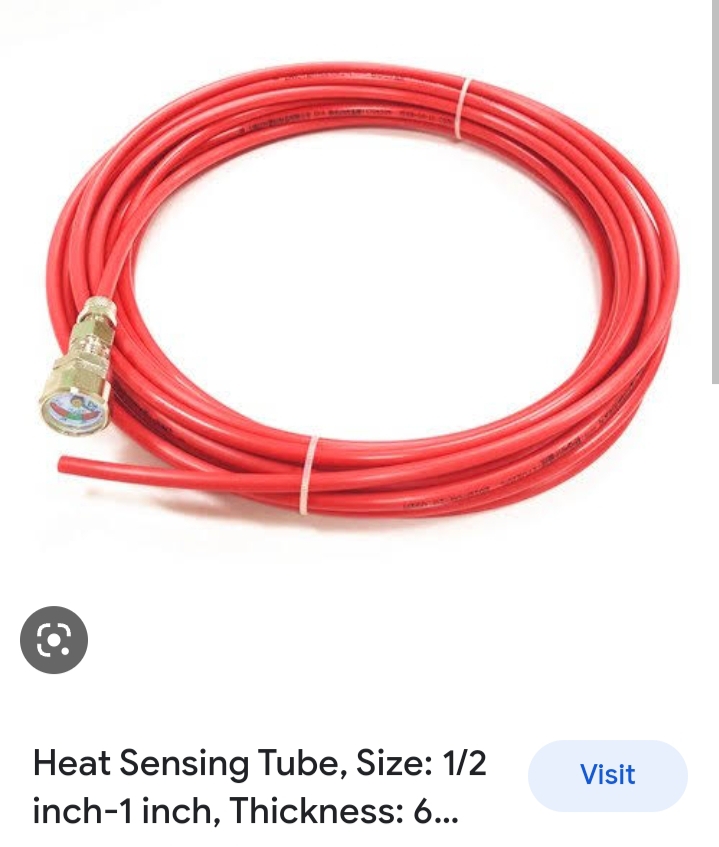
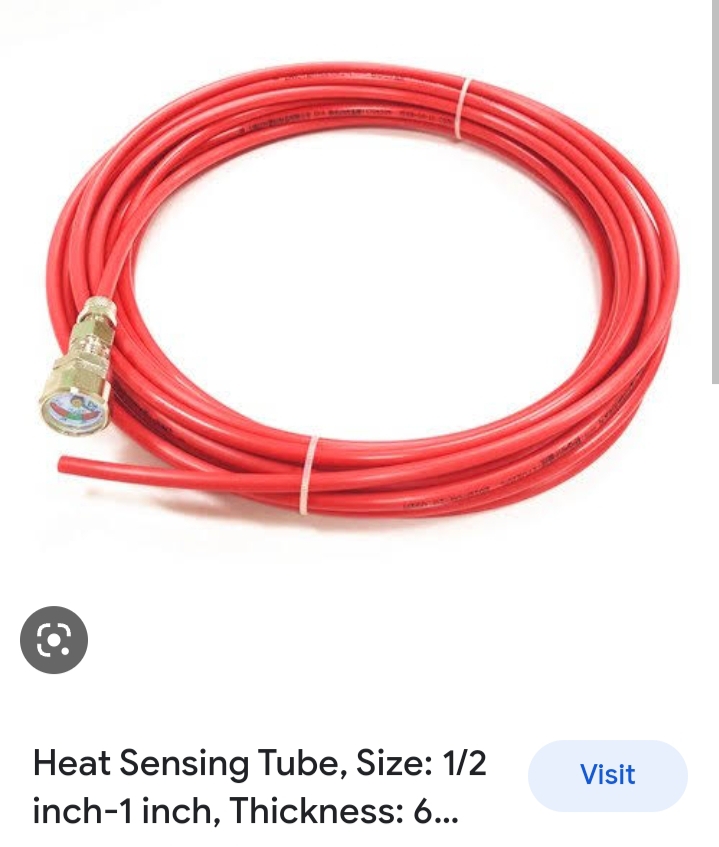
A heat-sensitive pneumatic tube is installed around protected equipment.
When temperature reaches a preset level (typically 68C110C depending on tube type), the tube bursts at the hottest point and triggers fire suppression.
Commonly used with:
- FM-200
- Novec 1230
- CO2 Fire Suppression System
- Dry chemical systems
How It Works
Direct Release System
- Detection tube installed above/inside racks or panels
- Fire heats tube
- Tube ruptures at hottest point
- Suppression agent discharges directly at fire source
Best for:
- Electrical cabinets
- Server racks
- Battery cabinets
- Small DNS/network rooms
Indirect Release System
- Tube senses heat
- Pressure drop activates valve
- Entire room suppression system discharges
Best for:
- Full room protection
- Data/server rooms
- Telecom rooms
Advantages
- No electricity needed for detection
- Very fast localized detection
- Low maintenance
- Cost-effective for small rooms
- Works during power failure
- Easy retrofit in existing server rooms
Typical Installation in DNS / Server Room
Detection tube routing:
- Above server racks
- Around UPS panels
- Cable trays
- PDU panels
- Network switches
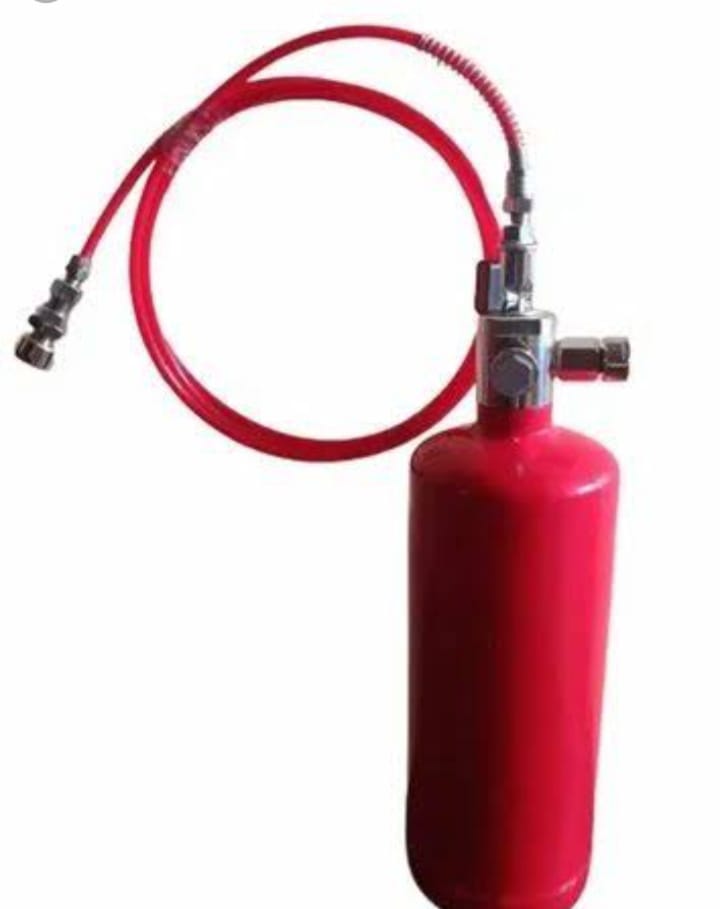
Suppression cylinders:
- Wall-mounted outside room preferred
- Connected to nozzles or direct tube release
Important Design Considerations
1. Choose Correct Agent
For occupied IT rooms:
- Preferred:
- Avoid total flooding CO in occupied rooms
2. Room Sealing
For total flooding systems:
- Door seals required
- False ceiling/floor leakage checked
- Hold time usually 10 minutes
3. Standards
Common standards:
- NFPA NFPA 72
- NFPA NFPA 2001
- ISO standards
- Local fire authority requirements
Best Use Cases
Excellent for:
- Small DNS rooms
- Telecom shelters
- UPS rooms
- Electrical panels
- ATM machines
- CNC/electrical cabinets
Less suitable for:
- Very large data centers
- Open industrial halls
- Areas with high airflow unless engineered properly
Typical Small DNS Room Solution
Example:
- 1030 m room
- Detection tube around racks
- 25 kg clean agent cylinder
- Manual release + abort switch
- Alarm integration
If you provide:
- Room dimensions
- Number of racks
- Ceiling height
- UPS/battery presence
I can help you with:
- Basic suppression sizing
- Tube routing layout
- Cylinder capacity estimate
- Single-line schematic
- BOQ/material list
- Typical installation drawing
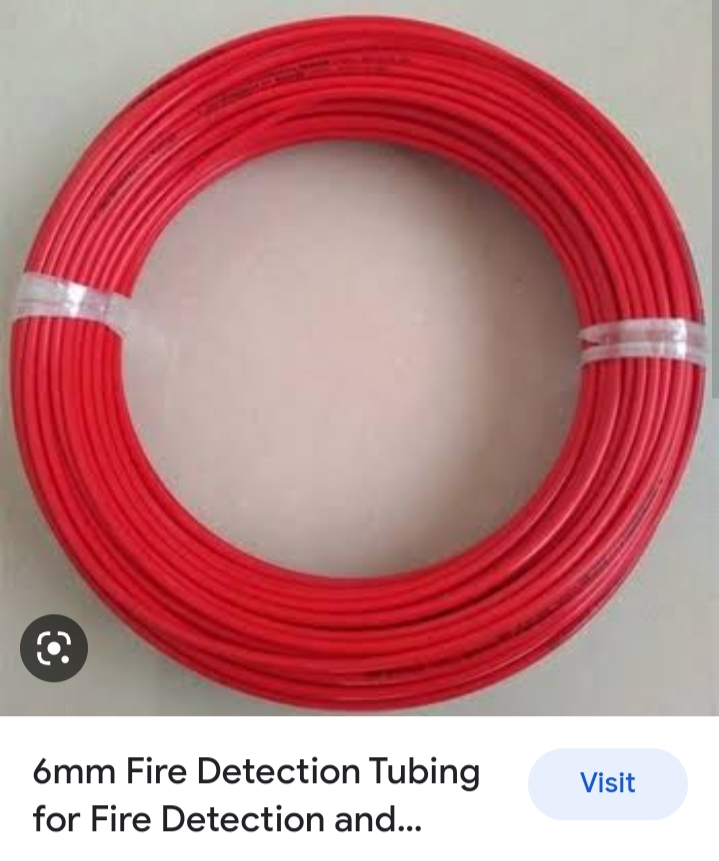
Flexible and Reliable Fire DetectionThe Fire Detection Tube adapts to a range of applications, from industrial enclosures to server cabinets, thanks to its customizable length and flexible design. Its instant activation and non-electric operation make it a reliable choice for environments where electrical systems may be compromised by fire or heat. With its chemical and humidity resistance, it maintains performance even in challenging conditions.
Easy Installation and Seamless IntegrationEngineered for straightforward installation, the Fire Detection Tube mounts easily with clips or brackets on walls, ceilings, or inside equipment. Its compact 6 mm diameter allows for discreet integration, and with a bending radius of just 60 mm, the tube conforms to complex layouts, maximizing coverage and efficiency in fire suppression.
FAQ's of Fire Detection Tube:
Q: How does the Fire Detection Tube operate for fire detection and suppression?
A: The tube functions pneumatically-once exposed to heat or flame near its burst temperature (typically around 100C), it ruptures at the hottest point. This immediately releases the connected suppression agent, enabling rapid response and effective containment of fire before it spreads.
Q: What types of environments or equipment are suitable for installing this Fire Detection Tube?
A: Thanks to its chemical and humidity resistance, UV stabilization, and flexible installation options, the tube is ideal for localized protection in industrial machinery, electrical cabinets, server rooms, or vehicles. It is suitable for any area where early fire detection and suppression are vital.
Q: When should the Fire Detection Tube be considered over traditional detection methods?
A: This system is especially advantageous in locations where electrical detection is impractical or unreliable, such as high-moisture or chemically aggressive environments. Its rapid, self-activating response is beneficial where immediate suppression is critical.
Q: Where can the Fire Detection Tube be mounted for optimal coverage?
A: It can be installed on walls, ceilings, or within equipment housings using clips or brackets. The system covers up to 4 square meters per meter of tube, providing focused protection in at-risk zones and tight spaces around sensitive or valuable assets.
Q: What is the process for customizing the Fire Detection Tube's length or burst temperature?
A: Lengths are cut to specification based on the application's needs, allowing for tailored protection. The burst temperature is customizable; while the standard is approximately 100C, other settings are available upon request to address unique requirements.
Q: What are the benefits of choosing a pneumatic, non-electric fire detection system?
A: Non-electric, pneumatic systems reduce the risk of failure from power loss and are less susceptible to short circuits during a fire. Their instant activation and compatibility with clean agent or CO2 suppression make them both reliable and environmentally adaptable.




 Send Inquiry
 Send Inquiry

